Globe-spanning reporting and features writing on food, football, and culture from inside the room.
"Together, they raise their hands in the air and embark on a Viking thunderclap. They start slow, then build up speed, until the two groups are applauding each other. The sound echoes around the stadium and out across the Maidan, a verdant patchwork of pitches right in the heart of Kolkata that serves, as well as anywhere, as the spiritual home of Indian football."

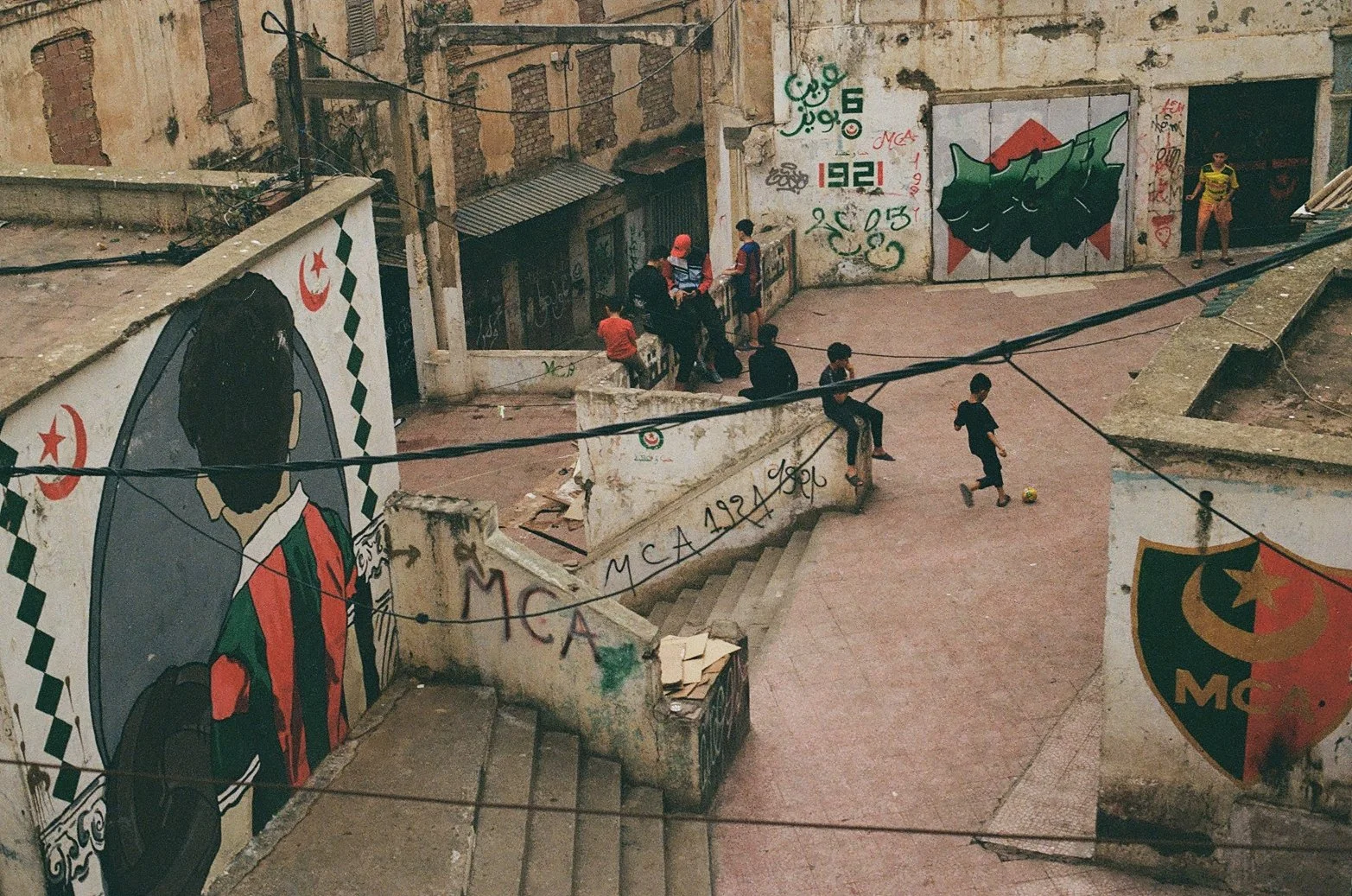
This long-form exploration of football culture, governance and economics in India took me to Kolkata for five days of reporting. I arrived with next to no contacts and left with detailed stories from ultras capos, grassroots academies, government officials and executives from the Super League’s VIP boxes. A dream assignment— the kind that requires showing up, being patient, following everything, and following up. I shot the photography for the story in 35mm.
"The night gets long. We are taken in unmarked cars and held for a length of time in the brightly lit lobby of a luxury hotel. Soon, the entire JSK squad limps in. They are huge, and young, and smell of cologne and sweat and grass. Our handler insists, rather forcefully, that we should take pictures with the team. 'No, it's really no trouble. I will call them over, they will be happy to. You are big football fans, after all?'"
After a close encounter of my own with Tizi Ouzou police, I found myself fascinated by the case of Christophe Gleizes, a French journalist imprisoned in Algeria on terrorism charges for trying to unravel a complex story surrounding a regional footballing powerhouse, a separatist government in exile, and the suprising on-field death of a star player. It’s a nontraditional narrative that weaves reportage, media analysis, and the personal tale of an away day gone wrong to add color and context. Football Case Study’s new voice in football journalism requires all three to describe what we really mean when we say football is political.
"Skid row is largely represented in the media as the epicenter of Los Angeles County's homelessness epidemic, because it is. But it's also a bonafide neighborhood of around 5,000 Angelenos. Much like any other neighborhood, its denizens get up every day and go in search of a morning cup of coffee, a cuban sandwich at lunch, or shaved ice on a hot afternoon."
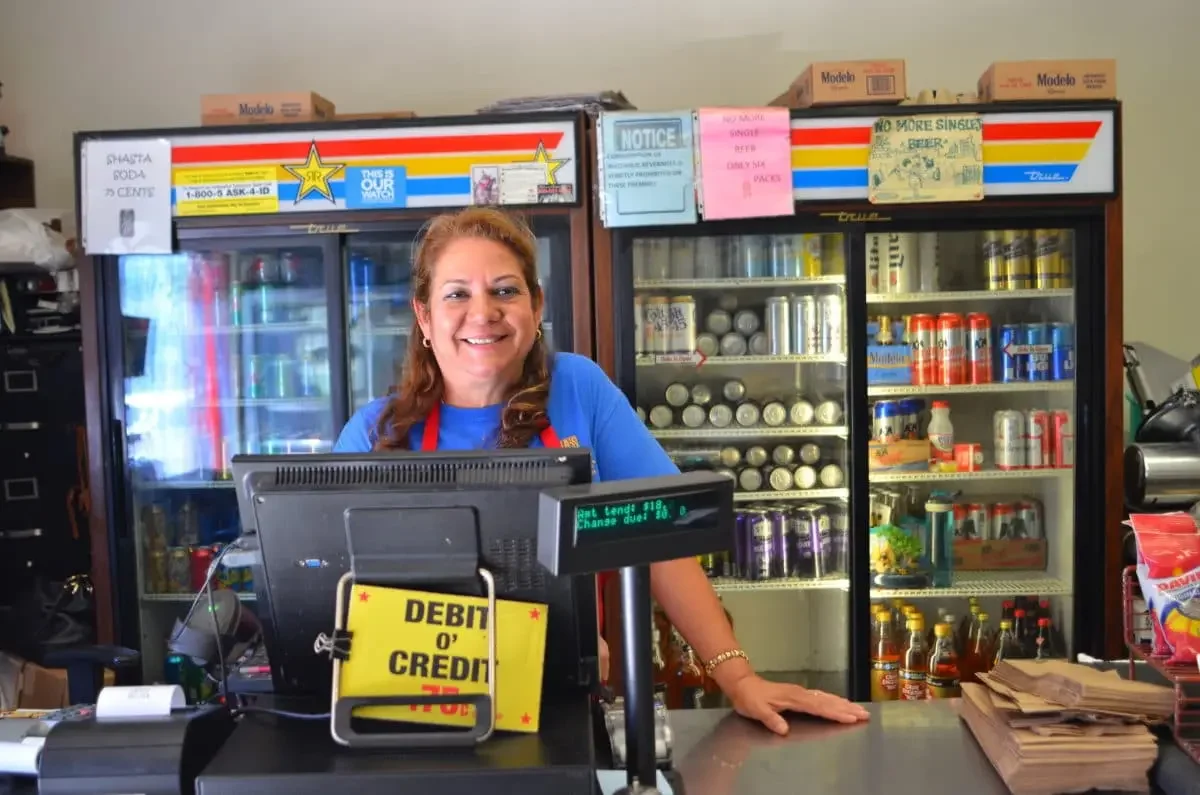
There are few things I love more than walking directly into a preexisting narrative and pressing record. Street-level local news legends LA TACO let me write about LA’s Skid Row not as a warzone or a taboo but as a neighborhood, and we all learned a thing or two about running a restaurant in the process.
"Morgan Ditmars stands on a milk crate at the empty steam table inside the Preble Street kitchen, flanked by six boxes of assorted pancake mix and two eight-quart containers of liquid eggs, milk, and slicks of vegetable oil. 'I'm going to add some nuts and cranberries. I find a lot of uses for canned cherry pie filling. I'm always going for anti-bland.'"
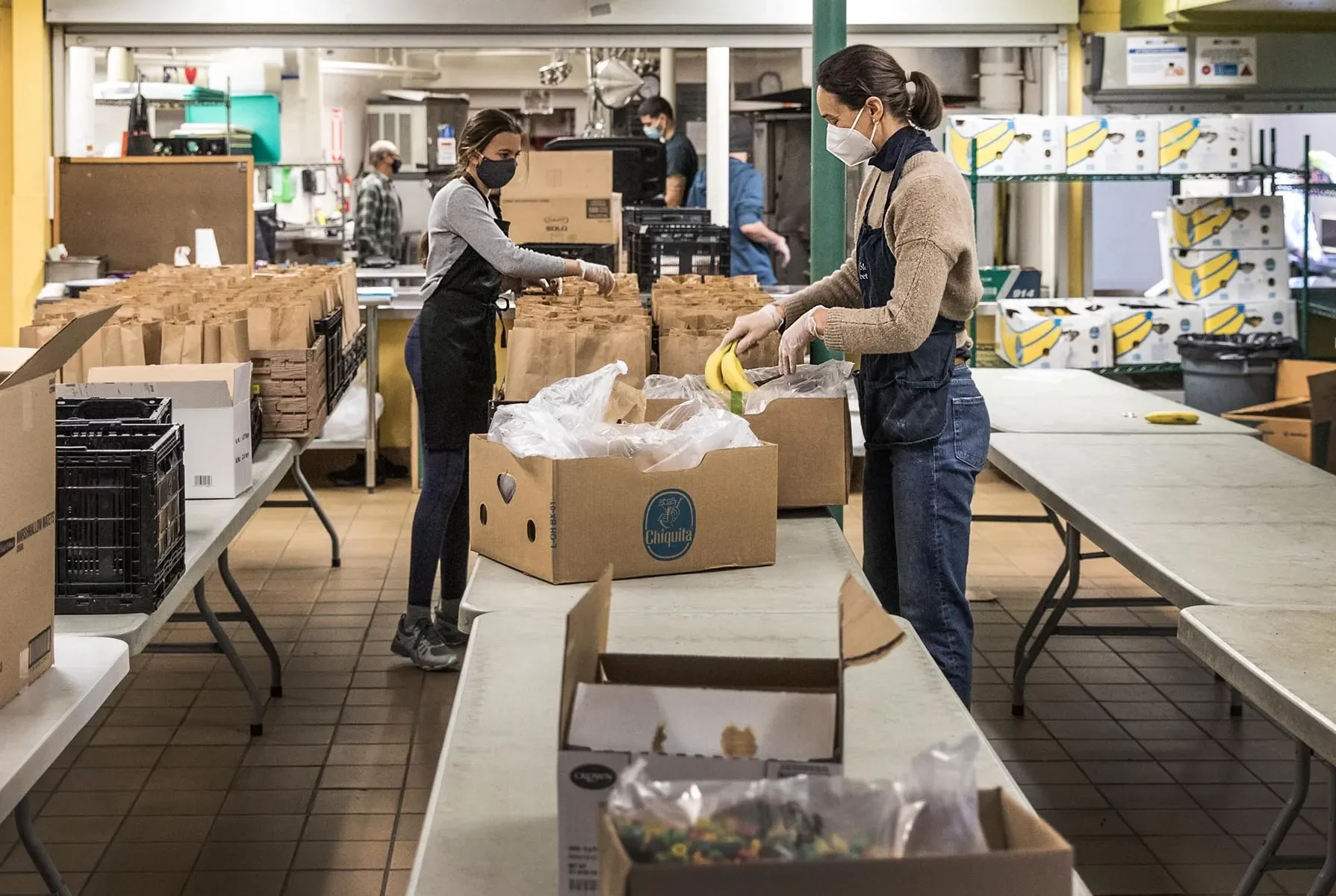
Photos: Greta Rybus
This piece tells the story of how one soup kitchen’s pivot to takeout during COVID had unexpected and wide-reaching affects on a Portland, Maine’s social safety net. Writing this honed my investigative reporting chops. simultaneously forcing me to reckon with the uncanny “I” in my writing. I spent formative years working as a chef in this soup kitchen before returning, years later, to cover its demise.